Featured in INMR Weekly: Our Novel Method for Evaluating Ageing Mechanisms
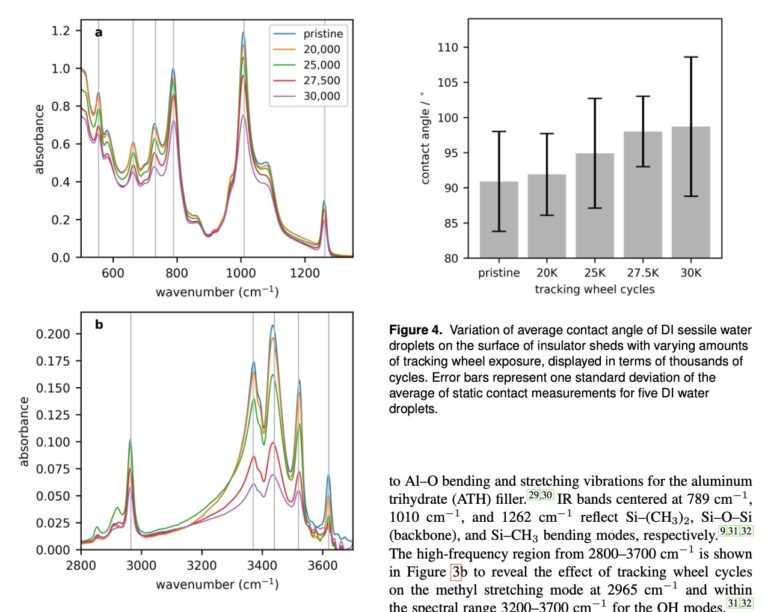
Polymeric insulators have become a standard choice in transmission and distribution networks, valued for their light weight, strong hydrophobic properties, and better contamination performance relative to porcelain or glass. Despite these advantages, sustained exposure to combined environmental and electrical stresses: UV radiation, surface discharges, temperature cycling, humidity, altitude, and contamination causes the silicone rubber housing to undergo physicochemical ageing. Over time, this manifests as progressive loss of hydrophobicity, reduced electrical insulation strength, and compromised system reliability. Mechanical failures in polymeric insulators are now relatively uncommon; the dominant concern has shifted to electrical failures driven by surface degradation, partial discharges, and flashover events.
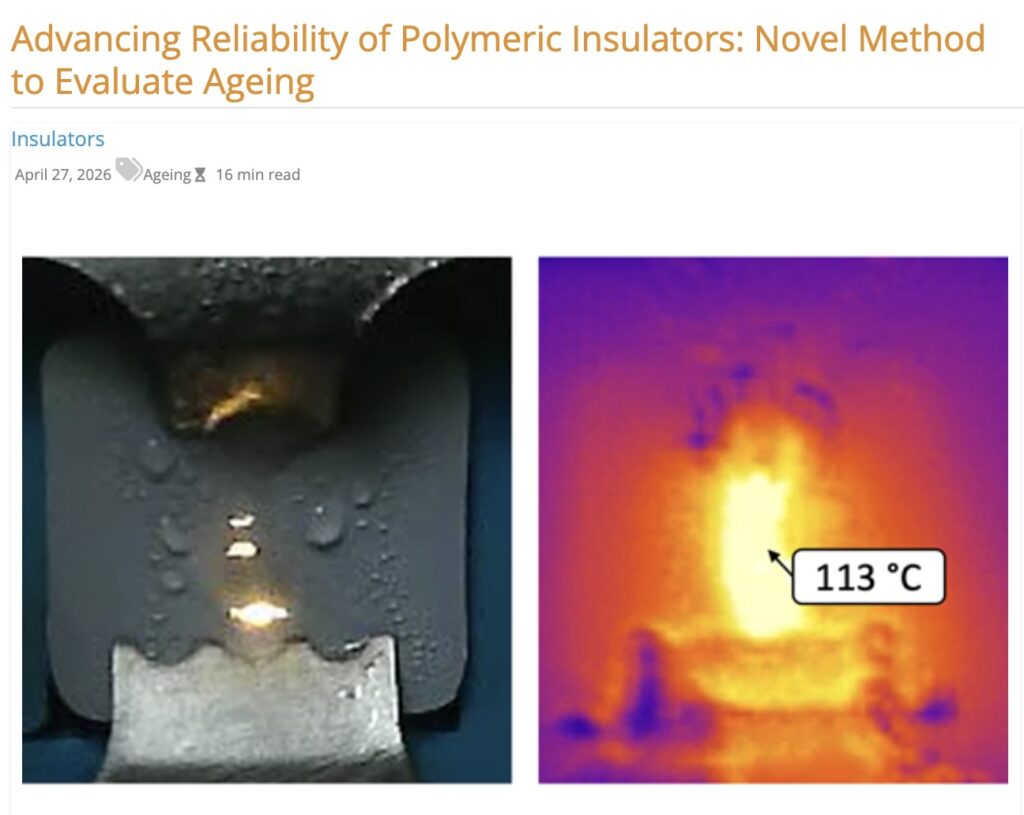
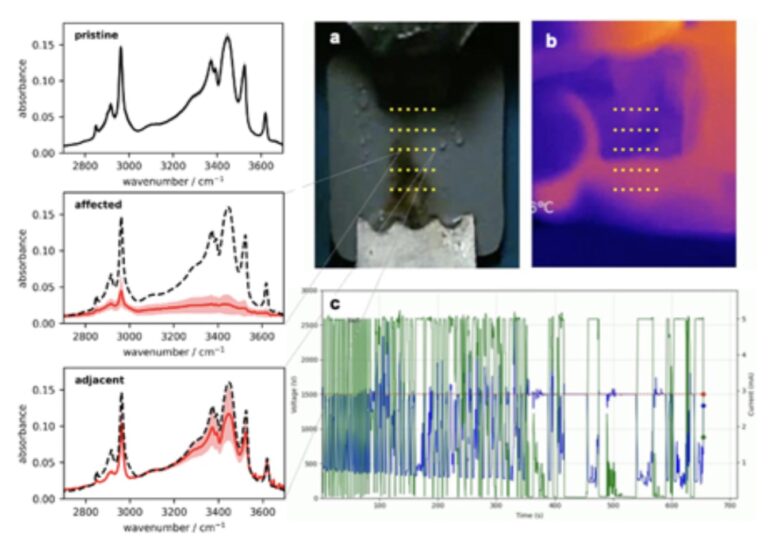
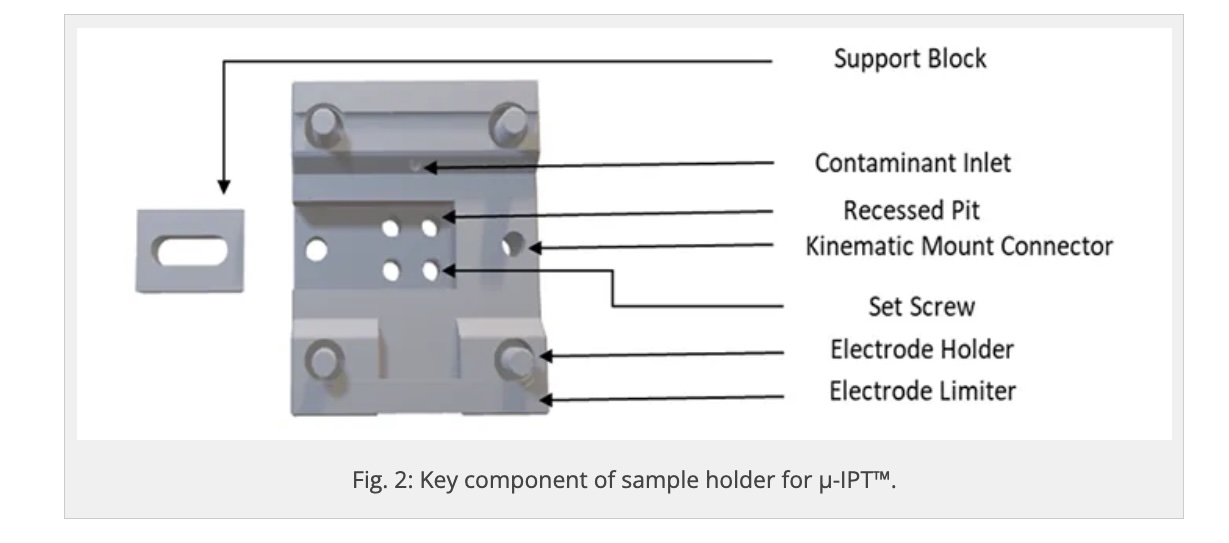
Standard ageing evaluation methods, such as the Tracking Wheel test, apply high voltage across the full insulator assembly but offer limited spatial resolution of damage and typically demand long test durations. The inclined plane test (IPT), widely used in both research and industry, presents a different limitation: the severity of electrical stress it applies tends to cause excessive surface destruction, making specimens unsuitable for meaningful spectroscopic analysis afterward. Hence, the modified version of IPT is introduced as micro-IPT™ (μ-IPT™).
To learn more, read the full article here.